Non-Surgical ACL Treatment | Gangnam JS Hospital, Seoul
Non-Surgical ACL Treatment
An anterior cruciate ligament (ACL) injury is one of the most common knee injuries among athletes and active individuals. While some cases require surgery, many patients with partial tears or stable knees may recover successfully through non-surgical treatment.
At Gangnam JS Hospital, specialists provide comprehensive non-surgical ACL treatment programs focused on restoring knee stability, reducing pain, and helping patients safely return to physical activity.
Understanding ACL Injuries
The ACL is a major ligament that stabilizes the knee joint and prevents excessive forward movement of the tibia.
ACL injuries often occur during sports that involve:
- Sudden direction changes
- Jumping and landing movements
- Rapid stopping or pivoting
- Direct contact or twisting of the knee
Symptoms of an ACL injury may include:
- Knee instability
- Pain and swelling
- Reduced range of motion
- Difficulty bearing weight
Doctors at Gangnam JS Hospital perform detailed evaluations to determine whether non-surgical management is appropriate.
Who May Benefit from Non-Surgical ACL Treatment?
Non-surgical treatment may be recommended for:
- Partial ACL tears
- Patients with stable knee function
- Individuals with lower physical demands
- Athletes focusing on rehabilitation before considering surgery
- Patients seeking conservative treatment options
A personalized treatment plan is developed based on the severity of the injury and the patient’s activity level.
Non-Surgical Treatment Options
Non-surgical ACL care at Gangnam JS Hospital may include:
- Structured physical therapy and rehabilitation
- Strengthening exercises for the quadriceps and hamstrings
- Knee bracing for added stability
- Regenerative injection therapies such as PRP
- Activity modification during recovery
These treatments focus on improving knee stability and preventing further injury.
Rehabilitation and Return to Activity
Rehabilitation plays a key role in non-surgical ACL recovery. A structured program typically includes:
- Range-of-motion exercises
- Muscle strengthening
- Balance and stability training
- Functional movement training
- Gradual return-to-sport protocols
Specialists monitor recovery progress to ensure the knee remains stable during activity.
Benefits of Non-Surgical ACL Treatment
Many patients choose conservative ACL management because it offers:
- Avoidance of surgical procedures
- Reduced recovery time
- Personalized rehabilitation programs
- Improved joint stability and strength
- Safe return to daily activity
For selected patients, non-surgical treatment can provide excellent long-term outcomes.
How to Get to Gangnam JS Hospital from Incheon Airport
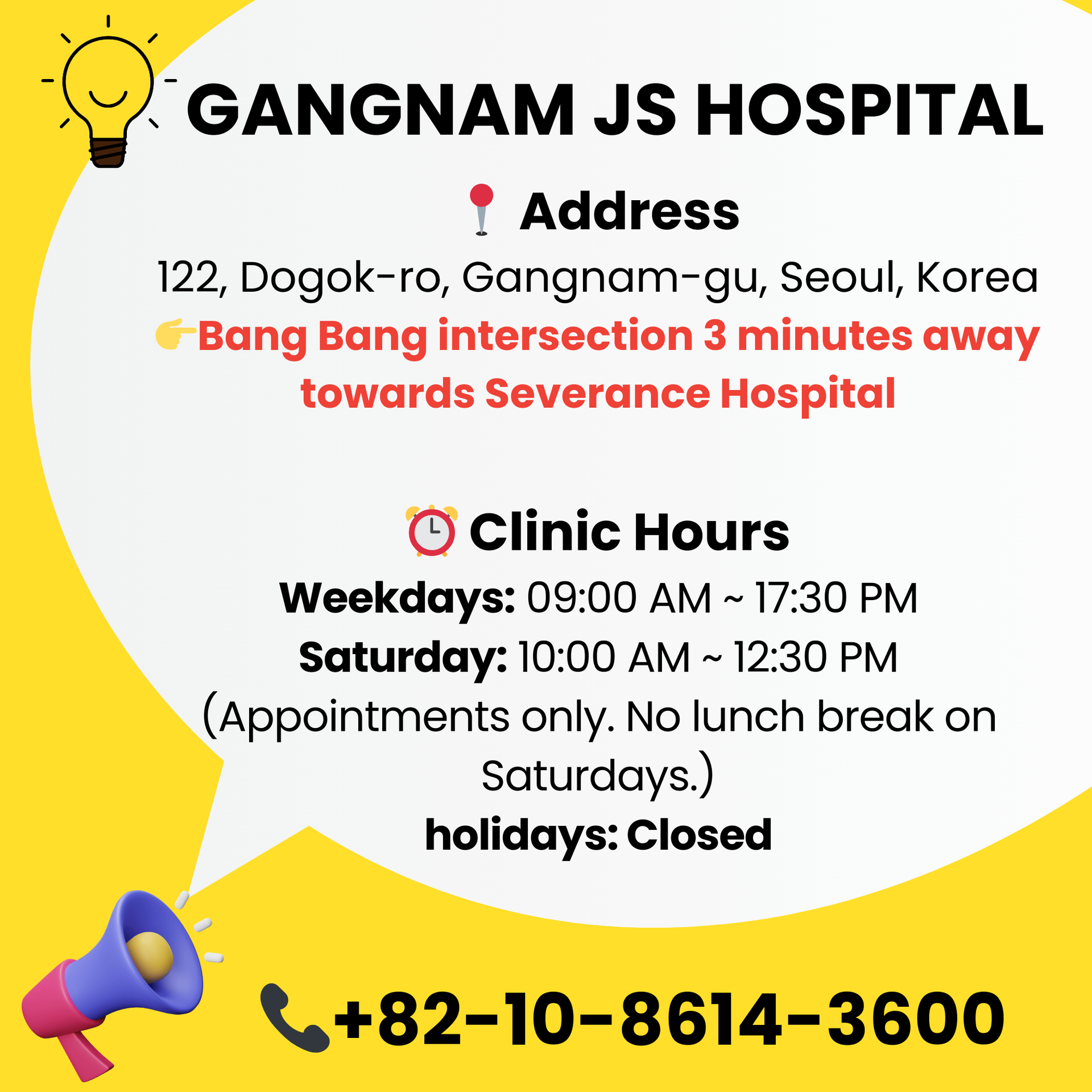
Address: 122 Dogok-ro, Gangnam-gu, Seoul, South Korea
By Airport Limousine Bus
- Depart from Incheon International Airport using an airport limousine bus heading toward the Gangnam area.
- Get off near Gangnam Station or a nearby stop.
- Take a short taxi ride (approximately 10 minutes) to Gangnam JS Hospital.
By AREX Train + Subway
- Take the Airport Railroad Express (AREX) from Incheon International Airport to Seoul Station.
- Transfer to the Seoul subway toward the Gangnam area.
- From the nearest station, take a short taxi ride to Gangnam JS Hospital.
By Taxi
A direct taxi from Incheon International Airport to Gangnam JS Hospital typically takes 60–70 minutes, depending on traffic conditions.
Specialized ACL Care in Seoul
At Gangnam JS Hospital, non-surgical ACL treatment programs combine advanced diagnostics, sports rehabilitation, and regenerative therapies to help patients regain knee stability and return to an active lifestyle safely.