Baseball Shoulder Injury Care for Athletes | Gangnam JS Hospital, Seoul, Korea
Overhead Athlete Shoulder Pain Treatment in Seoul
Athletes who frequently perform overhead movements—such as baseball players, tennis players, swimmers, and volleyball athletes—often place intense stress on the shoulder joint. Over time, this repetitive motion can lead to pain, instability, and reduced performance.
Gangnam JS Hospital offers specialized Overhead Athlete Shoulder Pain Treatment, providing comprehensive diagnosis, advanced orthopedic care, and structured rehabilitation programs designed for athletes.
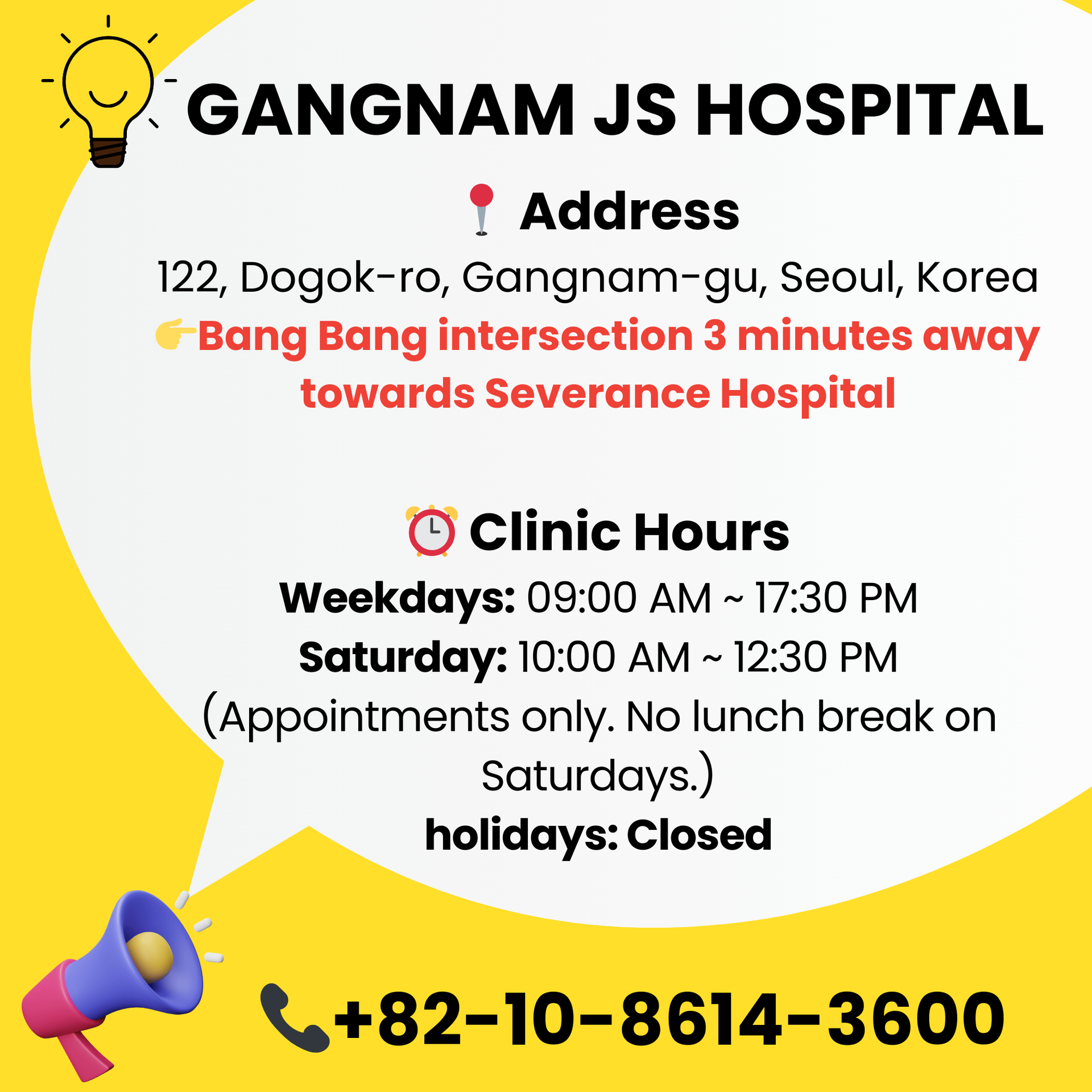
Located at 122 Dogok-ro in Gangnam, Seoul, the hospital provides modern sports medicine services for both professional and recreational athletes.
What Causes Shoulder Pain in Overhead Athletes?
Overhead sports require repeated high-speed shoulder movement, placing significant strain on the muscles, tendons, and ligaments surrounding the shoulder joint.
Common causes of shoulder pain in overhead athletes include:
- Rotator cuff tendonitis or tears
- Shoulder impingement syndrome
- Labral tears (including SLAP lesions)
- Shoulder instability
- Biceps tendon inflammation
- Muscle imbalance or overuse injuries
Without proper treatment, these conditions can worsen and limit athletic performance.
Symptoms of Overhead Shoulder Injuries
Athletes experiencing shoulder problems related to overhead activity may notice:
- Pain during throwing or overhead movements
- Decreased power or accuracy in sports performance
- Shoulder weakness or fatigue
- Limited range of motion
- Clicking or catching sensations in the shoulder
- Persistent soreness after training or competition
Early evaluation is important to prevent long-term joint damage.
Comprehensive Diagnostic Evaluation
At Gangnam JS Hospital, orthopedic specialists perform detailed assessments to identify the source of shoulder pain.
Diagnostic evaluation may include:
- Physical examination of shoulder stability and mobility
- Functional movement analysis
- Assessment of athletic activity and training patterns
- Imaging studies such as MRI, ultrasound, or digital X-rays
This thorough evaluation ensures accurate diagnosis and effective treatment planning.
Treatment Options
Treatment is tailored to the athlete’s injury, sport, and performance goals.
Non-Surgical Treatment
Many overhead athlete injuries can be managed with conservative treatment, including:
- Rest and activity modification
- Anti-inflammatory medication
- Sports-specific physical therapy
- Shoulder stabilization and strengthening exercises
- Biomechanical correction of throwing or overhead techniques
Surgical Treatment
In cases of severe structural damage, surgical treatment may be recommended. Procedures may include:
- Arthroscopic rotator cuff repair
- Labral repair surgery
- Shoulder stabilization procedures
Minimally invasive techniques allow for precise treatment with reduced recovery time.
Rehabilitation and Return-to-Play
Recovery programs focus on restoring shoulder strength, flexibility, and athletic mechanics.
Rehabilitation may include:
- Gradual range-of-motion exercises
- Strengthening of the shoulder and core muscles
- Sports-specific movement training
- Progressive return-to-play programs
The goal is to help athletes recover safely and return to peak performance while minimizing the risk of re-injury.
Why Choose Gangnam JS Hospital?
Patients choose Gangnam JS Hospital for sports injury care because of:
- Experienced orthopedic and sports medicine specialists
- Advanced imaging and diagnostic technology
- Minimally invasive arthroscopic surgical options
- Comprehensive rehabilitation and sports therapy programs
- Convenient Gangnam location in Seoul
Hospital Address
Gangnam JS Hospital
122 Dogok-ro, Gangnam-gu
Seoul, South Korea
How to Get to Gangnam JS Hospital from Incheon International Airport
From Incheon International Airport to Gangnam JS Hospital:
Option 1: AREX + Subway
Take the Airport Railroad Express (AREX) to Seoul Station.
Transfer to Seoul Subway Line 2 toward the Gangnam area.
Exit at a nearby station such as Seolleung or Yeoksam and take a short taxi to the hospital.
Estimated travel time: 70–90 minutes.
Option 2: Airport Limousine Bus
Take an airport limousine bus heading toward Gangnam and transfer to a short taxi ride to the hospital.
Estimated travel time: 70–100 minutes depending on traffic.
Option 3: Taxi
A direct taxi from Incheon International Airport to the hospital typically takes 60–90 minutes, depending on traffic conditions.
Schedule a Consultation
If you are experiencing persistent shoulder pain related to overhead sports or repetitive athletic activity, early diagnosis and treatment can help prevent more serious injuries.
The specialists at Gangnam JS Hospital provide expert sports injury evaluation, advanced treatment options, and personalized rehabilitation programs to help athletes return to their sport safely.